If you're planning an extension, conversion or structural alteration in Scotland, you'll almost certainly come across the phrase "building warrant". It's one of the most common questions we're asked, so here's a plain-English guide.
What is a building warrant?
A building warrant is permission from your local authority's Building Standards service to carry out building work. It confirms that the design meets the Scottish building regulations, which cover things like structure, fire safety, insulation, ventilation and accessibility.
Scotland's system is different from England's. Here, for most work covered by the regulations, the warrant has to be approved before work starts.
Building warrant vs planning permission
These are two separate things, and you may need one, both or neither.
- Planning permission is about whether the development is acceptable in that location: its size, appearance and effect on neighbours.
- A building warrant is about how the building is constructed: whether it's safe, healthy and energy efficient.
Some smaller extensions and outbuildings fall under permitted development, meaning they don't need planning permission, but they may still need a building warrant.
What usually needs a building warrant?
Common examples include:
- House extensions
- Loft conversions
- Garage conversions to habitable rooms
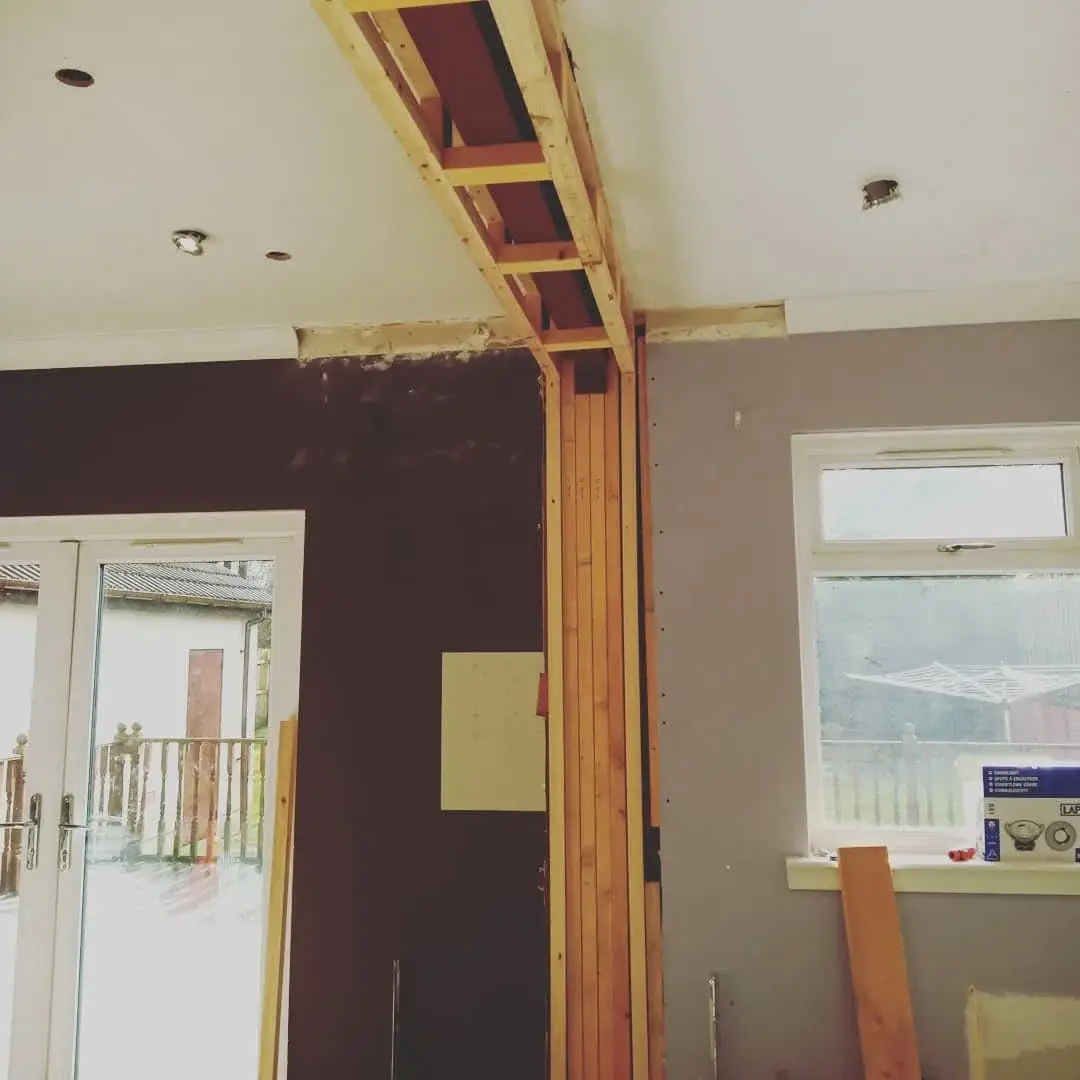
- Removing load-bearing walls and installing beams
- Forming new openings in external walls
Like-for-like replacements, such as a new kitchen in the same layout or replacement internal doors, usually don't need one. If you're not sure, it's always worth asking.
How the process works
- Drawings. An architect or technician prepares drawings and specifications. Structural work needs calculations from an engineer.
- Application. The warrant application is submitted to your council's Building Standards department.
- Approval. The council may ask questions or request changes before approving the warrant.
- Construction. Work is carried out in line with the approved drawings. The council may carry out inspections at key stages.
- Completion certificate. When the work is finished, a completion certificate is submitted and accepted by the council.
Why it matters
Work done without a warrant can cause real problems when you come to sell, as the buyer's solicitor will ask for the paperwork. More importantly, the regulations exist to keep you safe.
Which council handles my warrant?
It depends where you live. For example, homes in Wishaw, Motherwell and Airdrie fall under North Lanarkshire Council, while Hamilton, East Kilbride and Carluke are South Lanarkshire Council.
How we can help
We regularly price and build from approved warrant drawings, and we're happy to work alongside your architect or technician. If you're at the early stages, get in touch and we'll talk you through what your project is likely to need.
*This guide is general information. Always check the specific requirements for your project with your local authority.*
Planning a project like this?
Astonish is a family-run joinery and building firm based in Newmains and working across Scotland. Tell us about the job for straight advice and a free written quote.