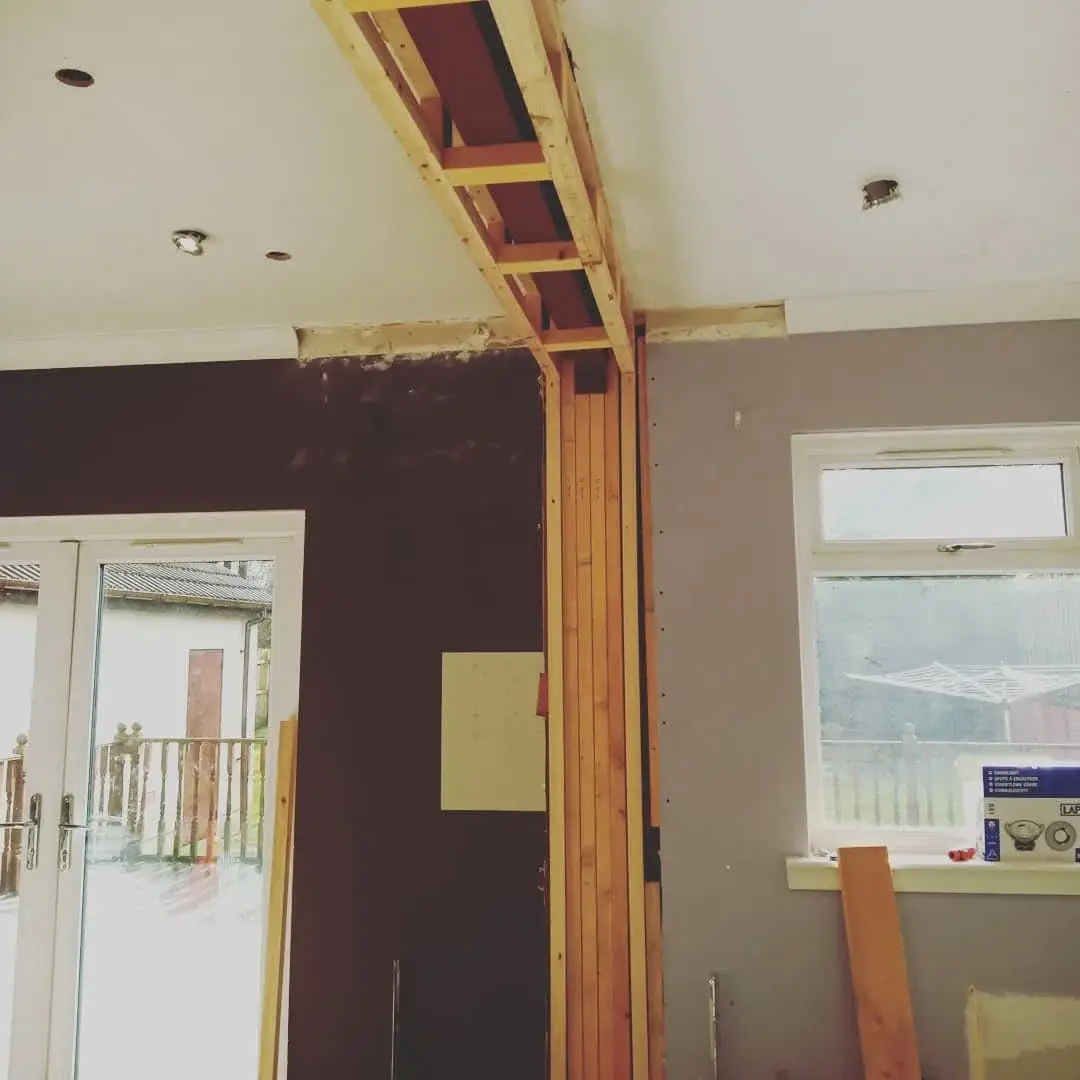
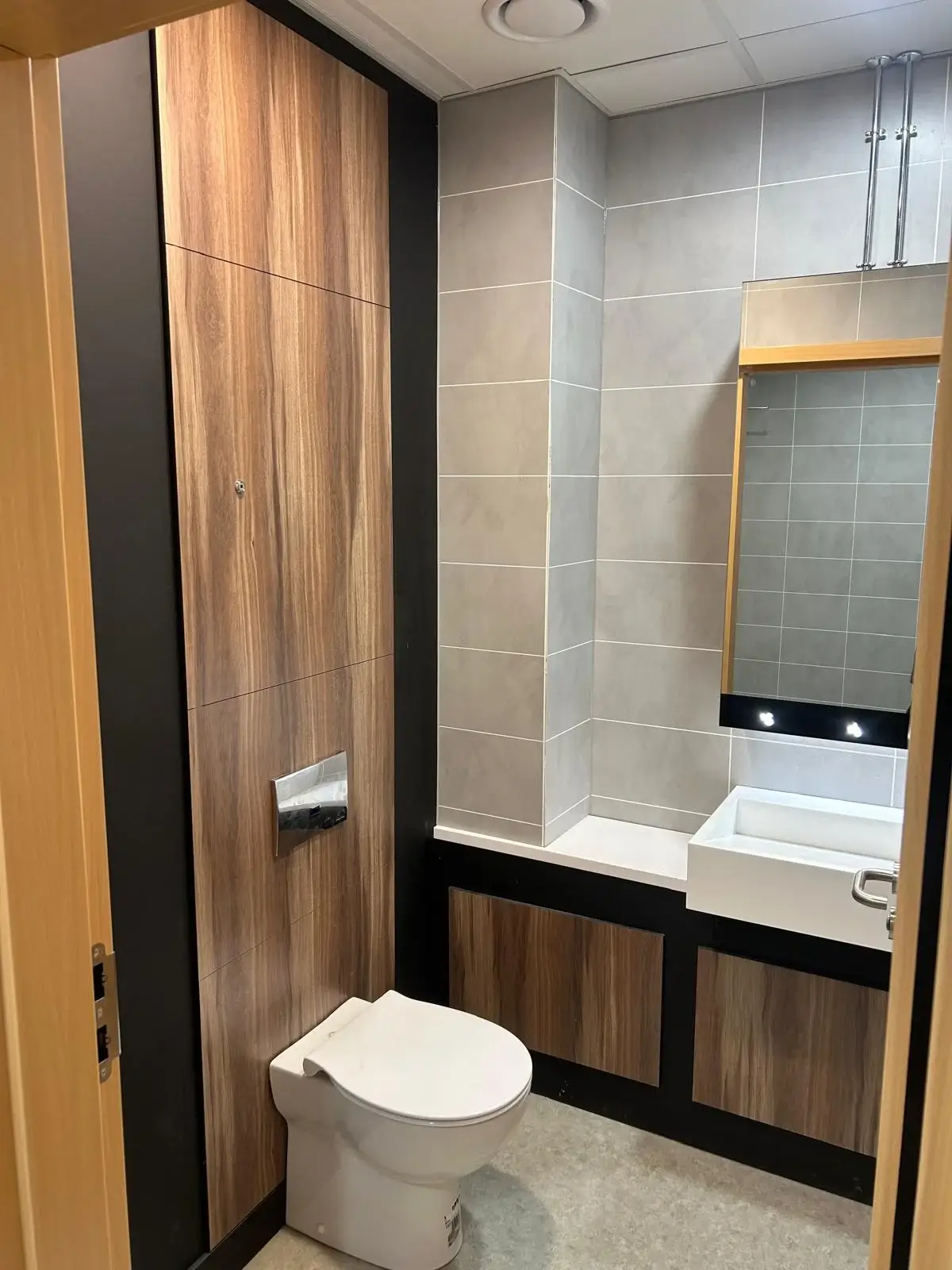
Finishing joinery is the part of a room you don't notice when it's done well, and can't stop noticing when it's done badly. It covers the skirtings, facings, window boards and other trim that frame a room.
The terms
- Skirtings: the boards running along the bottom of walls, protecting them from knocks and covering the joint with the floor.
- Facings: in Scotland, the moulded trim around door frames. Elsewhere these are often called architraves.
- Door linings: the frame that the door hangs in.
- Window boards: the shelf-like board at the bottom of a window inside.
- Cornice: decorative moulding where walls meet the ceiling, often plaster in older homes.
Choosing a style
Match the profile to the house:
- Period homes: taller skirtings and more detailed profiles such as ogee or torus suit Victorian and Edwardian properties.
- Modern homes: simple, square or chamfered profiles give a clean look.
- Consistency: use the same style throughout for a cohesive finish.
Materials
- MDF: smooth, stable and ideal for painting. The most common choice today.
- Softwood: traditional, can be painted, but may have knots and move more.
- Hardwood such as oak: for a natural timber finish.
What makes a good finish
- Tight mitres on the external corners
- Properly scribed internal corners that stay closed
- Skirtings fixed securely, following the line of the floor
- Facings set out evenly around the door
- Neat filling and caulking before decoration
When to replace
It's often worth replacing skirtings and facings when you:
- Fit new internal doors
- Lay new flooring
- Refurbish a room or a whole house
Get the details right
We fit doors, skirtings, facings and finishing joinery across Scotland. Find out more about our internal doors and joinery or contact us.
Planning a project like this?
Astonish is a family-run joinery and building firm based in Newmains and working across Scotland. Tell us about the job for straight advice and a free written quote.